

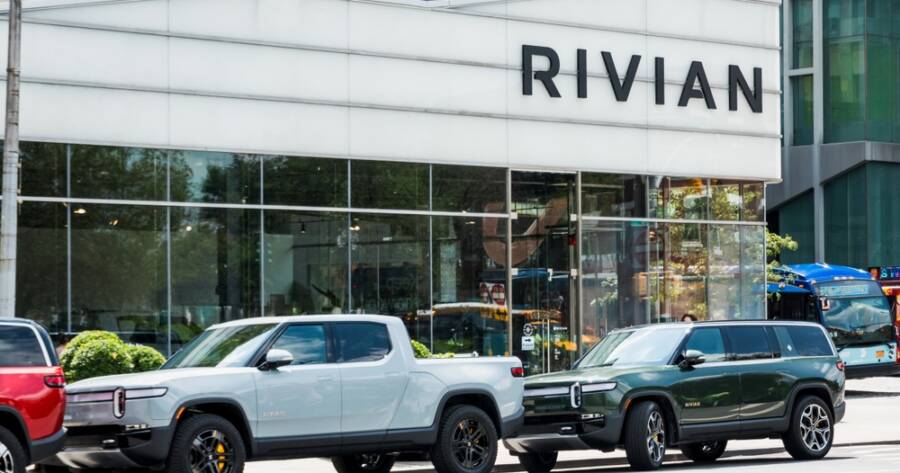
Rivian builds electric vehicles for drivers who want more than a quiet commute. Its lineup covers several types of travel, including family road trips, outdoor weekends, and jobs that require a pickup bed. The R1T, R1S, and newer R2 share a bold design and electric power, but they serve different needs. Their biggest differences involve size, seating, cargo space, driving range, and the amount of performance each buyer needs.
Three Rivian Models Serve Different Drivers
The R1T is a five-seat electric pickup with a truck bed and several covered storage areas. The R1S is a larger SUV with three rows and seating for seven. The R2 is a smaller five-seat SUV designed to provide Rivian features in a package that is easier to drive and park.
The R1S and R1T are Rivian’s larger R1 vehicles. Both are available with several motor and battery choices. The R2 is the newest model and is shorter than the R1S, making it more practical for buyers who do not need a third row or the size of a full pickup.
The R2 Is Rivian’s Newest and Smallest SUV
The R2 measures 185.9 inches long, nearly 15 inches shorter than the R1S. It still offers 28.7 cubic feet of cargo room behind the back seat and 79.4 cubic feet when that seat is folded. Its 9.6 inches of ground clearance should help on rough roads, deep snow, and uneven campsites.
Certain R2 versions list an EPA-estimated range of 330 miles. The SUV also offers a front trunk, a rear window that lowers into the tailgate, and seats that fold to create a long, flatter space. Those features may help drivers carry outdoor equipment or prepare the cabin for an overnight stop.
The R1S Brings Space and Strong Performance
The R1S is the family-sized option. It seats seven people and is available with Dual, Tri, or Quad motor systems. Current Dual-Motor versions list an EPA-estimated range between 329 and 410 miles, depending on the battery, wheels, and other equipment.
The quicker Tri and Quad models trade some driving range for added power. The Quad reaches 1,025 horsepower, while the Tri produces 850 horsepower. Every version can tow up to 7,700 pounds, although pulling a trailer can lower the distance available between charging stops.
The R1T Blends Truck Use With Electric Power
The R1T is built for drivers who want an electric vehicle with pickup utility. Along with its bed, it has a front trunk and a Gear Tunnel that runs across the truck behind the rear seats. The covered tunnel can hold bags, camping items, boots, and other equipment that owners may not want inside the passenger area.
A current Dual-Motor configuration with the Max battery lists an EPA-estimated range of 420 miles. Actual range will change with weather, speed, tires, cargo, and drive settings. Drivers who plan to tow or travel far from major highways should leave extra room in their charging plan.
Charging Access Is Becoming Easier
Every 2026 or newer Rivian comes with a built-in North American Charging Standard port. This connection provides direct access to more than 21,500 compatible Tesla Superchargers across the United States and Canada. Owners of 2022 through 2025 models can use an approved adapter at compatible stations.
Rivian vehicles can also use other public chargers with the correct adapter. At home, a wall charger can restore range while the vehicle sits overnight. Charging speed depends on the battery, charger output, outside temperature, and current battery level, so the fastest published result will not happen during every stop.
Technology Supports Trips On and Off the Road
Rivian uses large cabin screens for maps, charging details, drive modes, climate settings, and vehicle controls. Route planning can show where to charge and estimate how long a stop may take. The vehicles can also receive software updates without requiring a normal service visit.
The R2 adds available hands-free highway tools and requested lane changes on supported divided roads. These features may reduce strain during a long drive, but they do not turn the SUV into a self-driving vehicle. The driver must remain alert and ready to take control.
What Buyers Should Check Before Choosing
Start with passenger and cargo needs. The R2 may suit a couple or small family that wants outdoor ability without a large vehicle. The R1S makes more sense when the third row will be used often. The R1T fits drivers who need a bed and separate storage for dirty or bulky equipment.
Next, compare the exact battery, motors, wheels, and range of the vehicle being considered. A powerful version may be exciting, but a longer-range setup could be more helpful for frequent road trips. Buyers should also check public charging near home, work, and common vacation routes.
Finding the Rivian That Fits the Adventure
Rivian’s lineup gives buyers three clear paths. The R2 is the smaller everyday SUV, the R1S provides three-row family space, and the R1T adds the usefulness of a pickup bed.
The right choice depends on how the vehicle will be used most days, not its most extreme ability. A useful test drive should include the rear seats, cargo spaces, screen controls, and a realistic charging plan.