

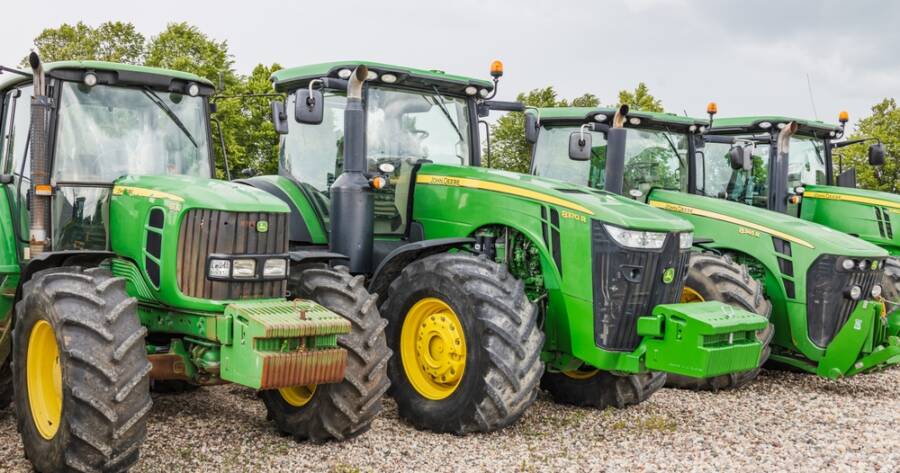
Bank repossessed tractors present a valuable opportunity for those seeking affordable farming equipment. Quality tractors, often sold quickly by banks, can offer significant savings. However, knowing where to find them, evaluating their condition, and ensuring safety are crucial steps. Understand the essentials of purchasing repossessed tractors to make informed and cost-effective decisions.
Understanding Bank Repossessed Tractors
Bank repossessed tractors present a unique opportunity for buyers looking to acquire farming equipment at a reduced cost. These tractors are typically repossessed by financial institutions when the original owner defaults on their loan payments.
As a result, banks are often eager to sell these tractors quickly to recover their losses, which can lead to significant savings for buyers. However, purchasing a repossessed tractor requires careful consideration and due diligence to ensure that the investment is worthwhile.
How to Find Bank Repossessed Tractors
Finding bank repossessed tractors can be a straightforward process if you know where to look. One of the most common places to find these tractors is through auction houses, where banks often list repossessed equipment for sale. Auctions can offer accountability and a wide selection of tractors, but it’s important to attend with a clear understanding of the market value to avoid overbidding (source).
Additionally, dealerships may have repossessed tractors available, and they can provide valuable insights into the tractor’s history and condition. Online platforms and classified ads are also useful resources for locating repossessed tractors.
Top Platforms For Repossessed Tractors
Several online platforms specialize in repossessed and liquidation-based farm equipment sales across the United States, making it easier for buyers to compare inventory and pricing. GovPlanet and IronPlanet are widely recognized for agricultural and heavy equipment auctions that often include lender-repossessed tractors from major manufacturers such as John Deere, Case IH, and New Holland (source).
Buyers looking specifically for bank-owned inventory may also find useful listings on RepoFinder and Repocast, both of which aggregate repossessed machinery from financial institutions and liquidation auctions (source; source). In addition, government auction platforms such as GovDeals and Public Surplus occasionally offer tractors and agricultural equipment from municipalities and public agencies, creating additional opportunities to find competitively priced used machinery.
Evaluating the Value for Money
When considering the purchase of a bank repossessed tractor, evaluating its value for money is crucial. Start by conducting a thorough inspection of the tractor, checking for any signs of wear and tear, rust, or mechanical issues (source).
It’s advisable to bring along a knowledgeable person who can help identify potential problems that may not be immediately apparent. Additionally, reviewing the tractor’s maintenance records and verifying its usage through the hour meter can provide insights into its overall condition and longevity.
Negotiating and Financing Options
Once a suitable repossessed tractor is found, negotiating the price is an important step. If the inspection reveals any issues that require repairs, use this information to negotiate a lower price to account for the necessary fixes.
A tractor with higher operating hours but a documented history of regular maintenance and servicing can often be a better long-term investment than a lower-hour machine that has been poorly maintained. Additionally, explore financing options that may be available through agricultural credit institutions, which can offer competitive rates for used farming equipment.
Ensuring a Safe Purchase
Safety should be a top priority when purchasing a repossessed tractor. Ensure that the tractor has all necessary safety features, such as a rollover protective structure (ROPS), functional seatbelts, and safety switches (source).
Conduct a comprehensive inspection of the tractor’s mechanical parts, including pumps, fluids, brakes, and electronics, to ensure everything is in working order. Gathering all relevant documentation, such as receipts and ownership papers, is also essential to avoid future legal issues.
Why You Should Learn More About Bank Repossessed Tractors Today
Bank repossessed tractors offer a cost-effective solution for those in need of reliable farming equipment. By understanding where to find these tractors, how to evaluate their value, and the importance of safety and documentation, buyers can make informed decisions that maximize their investment.
With the potential for significant savings and the availability of financing options, exploring the market for repossessed tractors can be a smart move for anyone in the agricultural sector. Learning more about this opportunity can lead to a successful purchase that meets both budgetary and operational needs.