

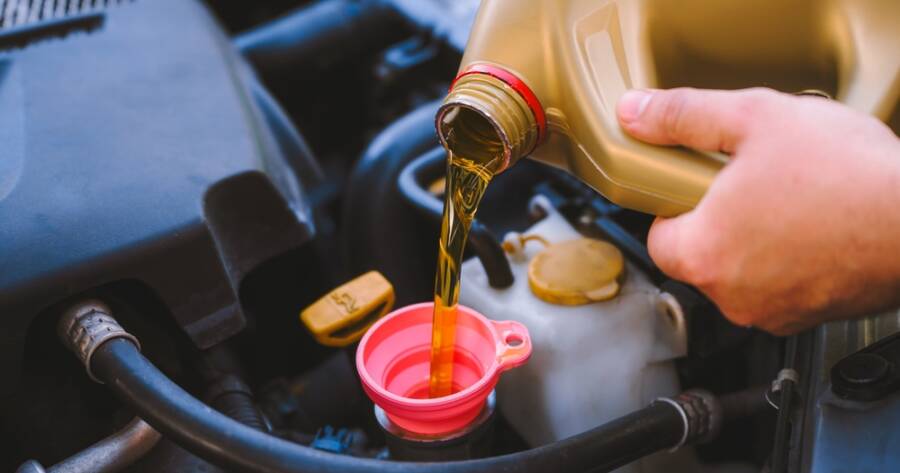
Choosing the right engine oil is crucial for maintaining vehicle performance and longevity. While budget options may seem cost-effective, they often lack essential additives, leading to increased wear and potential engine damage. Understanding the impact of oil quality on operational costs and vehicle health can guide informed decisions, ensuring better protection and long-term savings.
Understanding Engine Oils: What to Avoid
Engine oils play a crucial role in maintaining the health and performance of a vehicle’s engine. However, not all engine oils are created equal. Some budget brands, while initially cost-effective, can lead to significant long-term issues. Let’s take a look at which oils to avoid.
SuperTech Engine Oil
SuperTech engine oil, Walmart’s budget house brand, is often criticized for lacking some of the higher-quality additives needed for strong engine protection under heavy stress or extreme temperatures (source). While it may work for short-term use or basic commuting, many experts recommend upgrading to a more premium oil for better long-term engine protection and performance.
Quaker State Budget Oils
Quaker State’s lower-cost options, including certain “Advanced Durability” and economy-focused formulas, are known to break down more quickly in high-mileage vehicles or demanding driving conditions (source). Faster oil breakdown can increase engine wear over time, making these products less dependable compared to more advanced synthetic alternatives.
Valvoline Daily Protection Oils
Valvoline’s non-synthetic “Daily Protection” oils are often viewed as lower-tier products when compared to the company’s premium synthetic lines (source). Although they may perform adequately for regular commuting, they can lose protective qualities faster under high temperatures or heavy driving stress, potentially reducing engine protection over extended use.
Carquest Economy Engine Oils
Carquest’s economy line of engine oils, commonly sold through discount retailers, is not widely recognized for long-lasting engine protection. These oils may leave deposits behind and may not provide strong wear prevention for critical engine components, making them better suited for short-term or light-duty driving situations (source).
Pennzoil Conventional Oils
Pennzoil’s conventional engine oils are generally considered less advanced than the company’s full-synthetic offerings. While they can handle normal daily driving, they may not provide the same level of protection needed for high-performance driving, towing, or extreme weather conditions. Over time, this could contribute to additional engine deposits and increased wear compared to premium synthetic oils.
The Impact of Choosing the Wrong Engine Oil
The selection of motor oil brands significantly impacts fleet operational costs, with wrong choices leading to catastrophic engine failures costing up to $35,000 per incident (source). Proper selection can save fleet operators between $65,000 and $125,000 annually (source). Laboratory tests show that premium motor oil brands maintain 85% of their original properties after 100 hours in high-temperature conditions, while budget brands drop to 45%, leading to increased engine wear and deposit formation.
Inferior motor oil brands, while cheaper initially, incur hidden costs such as increased fuel consumption and premature component failures, costing fleet operators $8,500-$15,000 annually per vehicle. Using non-approved motor oil brands can void powertrain warranties worth $10,000-$25,000, leaving operators liable for repairs that quality oils could prevent (source).
Why You Should Learn More About Engine Oils Today
Understanding the differences between engine oils and making informed choices can significantly impact vehicle performance and longevity. While budget oils may seem appealing due to their lower upfront costs, they often lead to higher maintenance expenses and potential engine damage over time.
Investing in high-quality engine oils not only ensures better protection and performance but also contributes to long-term savings by reducing repair costs and extending engine life. By staying informed about the best and worst engine oils, vehicle owners can make smarter decisions that protect their investments and enhance their driving experience.