

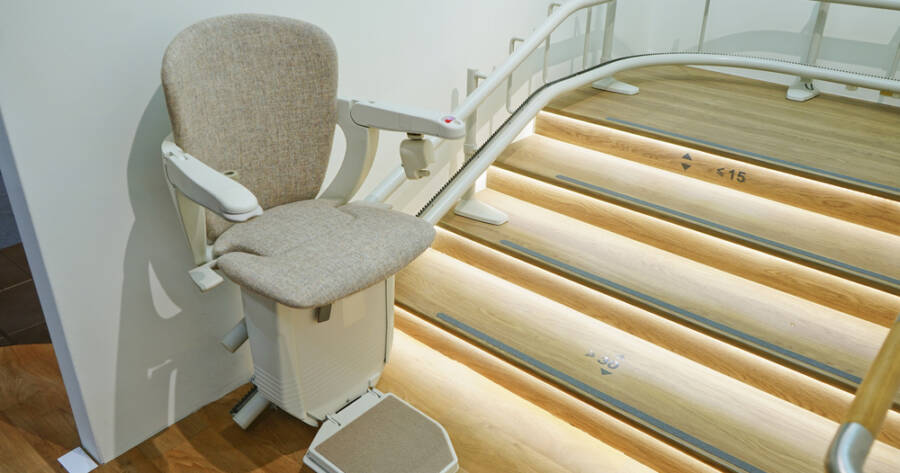
Mobile stairlifts offer a transformative solution for individuals with mobility challenges, providing portable and cost-effective accessibility without permanent installation. Top devices cater to diverse needs with various types and features, enhancing safety and independence. Understand the benefits, selection criteria, and maintenance tips to ensure a seamless integration into any living space.
Understanding Mobile Stairlifts
Mobile stairlifts are innovative devices designed to enhance accessibility for individuals with mobility challenges. These portable, battery-powered or manual devices provide immediate solutions without the need for permanent installation, making them ideal for homes, medical facilities, and emergency situations (source).
They are particularly beneficial for rental properties, temporary injuries, and situations where structural modifications are not feasible. Mobile stairlifts offer a cost-effective alternative to traditional fixed rail stairlifts, which require permanent installation and are significantly more expensive (source).
Types and Features of Mobile Stairlifts
There are various types of mobile stairlifts, including manual models that require caregiver operation, battery-powered models that allow for independent use, and stair climbers that attach to wheelchairs. Each type varies in cost, weight capacity, and functionality, providing options for different needs and budgets (source).
Safety features of mobile stairlifts include four-point safety harnesses, obstacle detection sensors, and auto brakes, ensuring secure and reliable operation. These devices meet strict safety standards and are equipped with user-friendly controls for ease of use by caregivers and emergency responders (source).
Benefits of Mobile Stairlifts
Mobile stairlifts are essential tools for enhancing independence and safety for seniors and individuals with mobility issues. They help prevent falls, which are common on stairs, and provide a renewed sense of security and accessibility within the home (source).
By allowing users to navigate their homes without assistance, mobile stairlifts significantly increase independence and convenience. They also offer a cost-effective alternative to home modifications, potentially increasing home value by making properties more accessible and appealing to buyers seeking senior-friendly features (source).
Choosing the Right Mobile Stairlift
Choosing the right mobile stairlift involves assessing the user’s mobility level, staircase characteristics, and specific needs such as weight capacity and emergency evacuation requirements. Compatibility with different types of staircases and environmental conditions is crucial for optimal performance (source).
It is also important to consider the type of staircase, determine specific mobility requirements, compare features and safety options, and consider budget constraints to find the best solution (source).
Installation and Maintenance
Professional installation by certified technicians is recommended to ensure safety and proper functioning of mobile stairlifts. Regular maintenance, although not mandatory, is advised to prolong the life of the stairlift and maintain optimal performance (source). Collaborating with reputable stairlift suppliers ensures quality installation and maintenance, with options for warranty coverage and after-sales support, providing peace of mind and long-term reliability (source).
Why You Should Learn More About Mobile Stairlifts Today
Mobile stairlifts are revolutionizing accessibility by providing flexible, portable solutions that enhance independence and safety. As technology advances, these devices continue to improve in terms of battery life, safety features, and compact design, making them an essential tool for maintaining mobility and preparedness (source).
Understanding the various types, features, and benefits of mobile stairlifts can help individuals make informed decisions that enhance their quality of life and independence. By exploring the options available, individuals can find the perfect solution to meet their mobility needs and ensure a safer, more accessible home environment.