

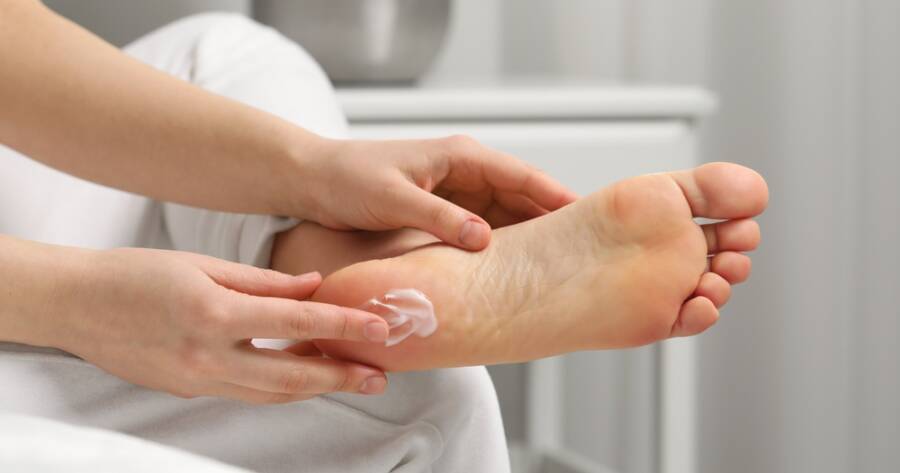
Neuropathy creams offer a topical solution for alleviating the discomfort of nerve damage, often manifesting as pain and numbness in extremities. With active ingredients like capsaicin and lidocaine, top creams provide targeted relief. Understanding their formulations and benefits can guide individuals in selecting the most effective option for managing neuropathy symptoms.
Understanding Neuropathy Creams
Neuropathy creams are topical treatments designed to alleviate the discomfort associated with neuropathy, a condition characterized by nerve damage that often results in pain, tingling, and numbness, particularly in the feet and hands.
These creams typically contain active ingredients such as capsaicin, lidocaine, and menthol, which work by either blocking pain signals or numbing the skin to provide relief (source). The effectiveness of these creams can vary based on the specific formulation and the individual’s response to the ingredients.
Top Creams for Neuropathy in Feet
Among the top creams for neuropathy in feet is the Pharmapulse Neuropathy Cream, which is formulated with a concentrated blend of ingredients like Alpha Lipoic Acid, Arnica, Vitamin B6, MSM, Aloe Vera, and Vitamin E. This cream is designed to nourish and support areas of discomfort, providing a cooling sensation and intense rejuvenation (source).
Another popular option is the Neuropathy Support Cream, which includes Capsicum Frutescens Fruit Extract known for its analgesic properties, and ginger and peppermint oils for their anti-inflammatory effects (source).
Ingredients and Their Benefits
The active ingredients in neuropathy creams play a crucial role in their effectiveness. Capsaicin, derived from chili peppers, is known for its ability to reduce pain by making it difficult for nerve cells to send pain signals to the brain.
Lidocaine, an anesthetic, numbs the skin to prevent pain sensation, while menthol provides a cooling effect that can soothe minor nerve pain (source). Additionally, ingredients like Arnica Montana and ginger oil are included for their nerve-healing and anti-inflammatory properties, respectively (source).
Choosing the Right Cream
When selecting a neuropathy cream, it is important to consider the specific symptoms and the severity of the condition. For those experiencing diabetic neuropathy, creams like the Diabetic Pain Relief Foot Cream, which includes vitamin E, bergamot oil, camphor, menthol, and eucalyptus, may offer significant relief due to their soothing and pain-relieving properties (source). It is also advisable to perform a patch test before full application to ensure there are no adverse reactions to the ingredients.
Application Tips and Long-Term Foot Care
Using neuropathy cream correctly can improve both comfort and overall effectiveness. Most topical creams work best when applied consistently to clean, dry skin, particularly after bathing or before bedtime when the feet are more relaxed and receptive to absorption. Gently massaging the cream into the soles, heels, and toes may also help stimulate circulation, which is especially important for individuals with diabetes or poor blood flow.
However, neuropathy creams are typically most effective when combined with broader foot-care habits such as wearing supportive footwear, checking the feet regularly for cuts or irritation, and avoiding prolonged pressure on sensitive areas. Since neuropathy symptoms can worsen gradually over time, maintaining a consistent routine that includes topical care alongside medical guidance may help reduce discomfort and support better day-to-day mobility.
Why You Should Learn More About Neuropathy Creams Today
Understanding the benefits and limitations of neuropathy creams can significantly impact the management of neuropathy symptoms. With a variety of formulations available, each offering unique benefits, individuals can find a product that best suits their needs.
Whether dealing with diabetic neuropathy or other forms of nerve pain, these creams provide a non-invasive option for relief. Exploring the different ingredients and their effects can help in making an informed decision, ultimately leading to improved quality of life for those affected by neuropathy.