

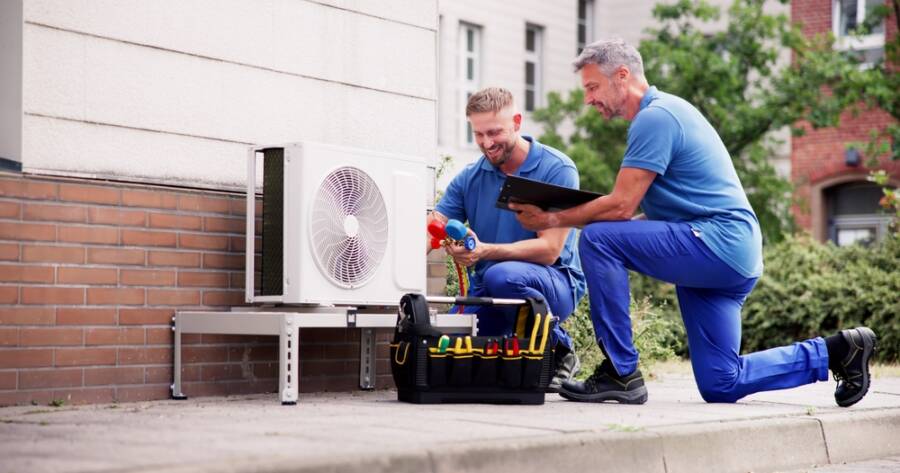
Heat pumps are gaining traction as a cost-effective and eco-friendly solution for home heating and cooling, offering significant savings over traditional systems. Installation costs vary widely, often influenced by factors such as system type and home size. Understanding the variables, along with potential savings and incentives, can guide homeowners toward making informed, sustainable choices.
Understanding Heat Pump Installation Costs
Heat pumps are increasingly popular for their dual functionality of heating and cooling homes, offering a more efficient alternative to traditional HVAC systems. They are approximately three times more efficient than conventional heating systems, potentially saving homeowners around $898 annually (source). However, the cost of installing a heat pump can vary significantly based on several factors, including the type of system, the size of the home, and the local climate.
Factors Influencing Installation Costs
The cost of installing a heat pump is influenced by the unit’s capacity, efficiency rating, and type, whether air-source or geothermal. Air-source heat pumps are generally less expensive but also less efficient compared to ground-source systems.
The installation costs for central heat pumps typically range from $8,000 to $15,000, while mini-split units for single zones can cost between $1,500 and $5,000. Geothermal systems, which are more efficient, can cost between $12,000 and $25,000 for small to medium homes and $30,000 or more for larger homes (source).
Additional Costs and Considerations
Beyond the basic installation, additional costs may arise from necessary upgrades to electric panels or wiring, especially if existing ductwork is absent or needs replacement. Homes in colder climates or areas with high labor costs may incur higher expenses.
Conversely, homes with better insulation require less heating and cooling capacity, potentially reducing costs. An energy audit and weatherization improvements can be beneficial before installation (source).
Economic and Environmental Benefits
Heat pumps offer significant economic and environmental benefits. They can reduce energy consumption for heating and cooling by up to 50%, making them more environmentally friendly and cost-effective compared to traditional HVAC systems. Homeowners may save between $1,000 and $1,500 annually on energy costs, with the system paying for itself in four to six years.
Additionally, federal, state, and local incentives and rebates can significantly reduce the effective cost of heat pump installations. The Energy Efficiency Home Improvement Credit from the federal government offers a 30% tax credit on installation costs, up to $2,000 (source).
Maintenance and Longevity
Regular maintenance is crucial for the longevity of heat pumps, including tasks like filter cleaning and refrigerant level checks. Most manufacturers offer warranties, typically 10 years for compressors and 5 years for parts, with options for extended warranties. Upgrading to a heat pump can provide long-term savings, with a lifespan of 10 to 20 years, leading to substantial lifetime savings (source).
Why You Should Learn More About Heat Pump Installation Today
Understanding the costs and benefits of heat pump installation is crucial for homeowners considering this energy-efficient option. With potential savings on energy bills and environmental benefits, heat pumps represent a worthwhile investment.
Additionally, available incentives and rebates can make the transition more affordable. By exploring the various factors that influence installation costs and the long-term benefits, homeowners can make informed decisions that align with their financial and environmental goals.