

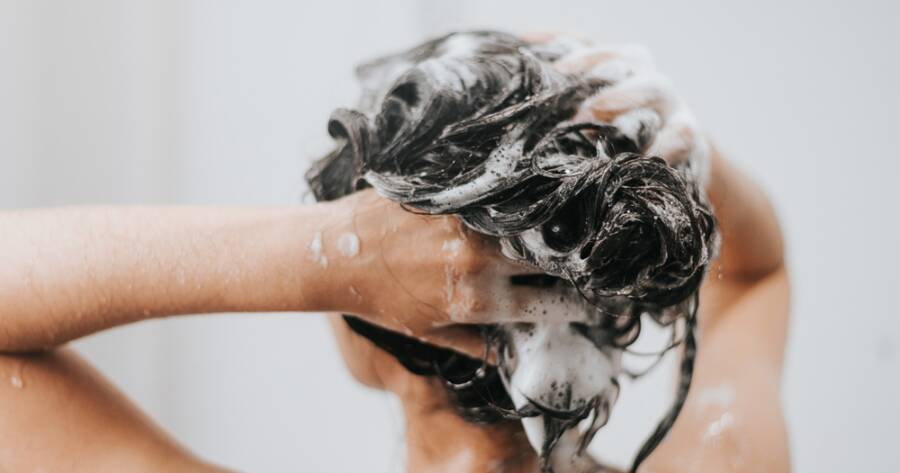
Entering the world of shampoos reveals the hidden dangers lurking in everyday hair care products. From sulfates to parabens, key ingredients can wreak havoc on hair health, leading to damage and loss. Understand which popular brands to avoid, the harmful components to watch out for, and how informed choices can lead to healthier, stronger hair.
Understanding Harmful Ingredients in Shampoos
When it comes to hair care, the ingredients in shampoos play a crucial role in maintaining hair and scalp health. Many drugstore shampoos contain harmful ingredients such as sulfates, silicones, and parabens, which can lead to hair damage, dryness, and even hair loss over time (source).
Sodium laureth sulfate (SLS), a common detergent in shampoos, can cause skin and eye irritation, especially for those with sensitive skin. It can also strip hair of natural oils, leading to dryness and frizz (source). Understanding these ingredients is essential for preventing potential harm to your hair and overall health.
Top 5 Shampoos to Avoid
Several popular shampoo brands have been criticized for their harmful ingredients:
1. Tresemmé
Tresemmé shampoos have faced criticism for containing ingredients such as sulfates, silicones, and DMDM Hydantoin, a preservative that can release small amounts of formaldehyde over time. Some consumers report that frequent use may contribute to product buildup, scalp irritation, dryness, or weakened hair texture, particularly for individuals with sensitive scalps or chemically treated hair (source).
2. Head & Shoulders
Head & Shoulders shampoos are widely used for dandruff control, but some formulations containing selenium sulfide have been associated with unwanted side effects in certain users. Reports have included excessive oiliness, changes in hair texture, discoloration in lighter hair shades, and occasional complaints of increased hair shedding after prolonged use (source).
3. L’Oréal Elvive
L’Oréal Elvive shampoos contain a variety of synthetic ingredients designed to smooth and condition the hair. However, critics point to ingredients such as glycols, silicones, and sulfates that may cause dryness, irritation, or buildup for some hair types (source). Individuals with sensitive scalps or damaged hair may experience additional stress on the hair shaft after repeated exposure to heavily formulated products.
4. Pantene
Pantene shampoos are often discussed for their use of sulfates, silicones, parabens, and conditioning agents that create a smooth appearance while potentially leaving residue on the hair over time. Some users report that long-term use can lead to heaviness, dullness, or difficulty maintaining natural moisture balance, especially for curly or color-treated hair (source).
5. Aussie
Aussie shampoos have also received criticism due to the inclusion of ingredients such as sodium lauryl sulfate and certain parabens in some product lines. Sulfates may strip natural oils from the scalp and hair, potentially leading to dryness or irritation, while parabens have remained controversial because of ongoing concerns about their long-term exposure and potential health effects (source).
Ingredients to Avoid for Healthier Hair
To maintain healthier hair, it is important to avoid certain ingredients commonly found in shampoos. Parabens, used as preservatives, have been linked to health risks such as cancer and hormonal imbalances. Despite being banned in the EU, they are still present in many products in the US (source). Formaldehyde, used as a preservative in some shampoos, is highly toxic and associated with serious health issues, including cancer.
It can also cause hair to become dry and brittle, increasing the risk of breakage and thinning (source). Additionally, silicones in shampoos can create a smooth feel but may build up over time, causing dullness. Avoid non-water-soluble silicones like dimethicone, cyclomethicone, and amodimethicone (source).
Why You Should Learn More About Shampoos Today
Understanding the ingredients in shampoos is vital for maintaining healthy hair and scalp. By avoiding harmful ingredients such as sulfates, parabens, and formaldehyde, individuals can reduce scalp irritation, minimize breakage, and support overall hair health. Opting for shampoos with hydrating, plant-based ingredients like shea butter, Argan oil, or coconut-derived ingredients can help lock in moisture and provide a gentle cleanse.
Making informed choices about hair products can lead to long-term benefits, including a calmer scalp and stronger hair. By being aware of what goes into shampoos, consumers can make better decisions that promote healthier hair and overall well-being.