

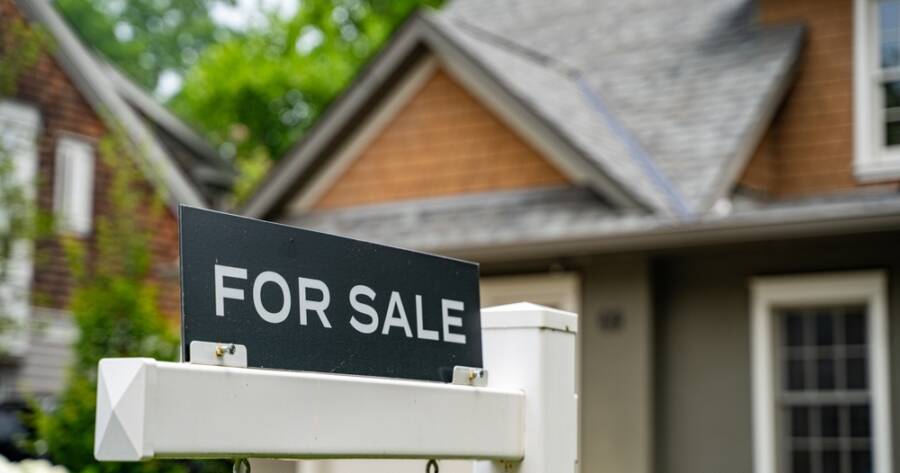
HUD foreclosed homes can present a cost-effective opportunity for buyers seeking discounted properties. By using the HUD Home Store, understanding the bidding process, and reviewing available financing options, prospective purchasers can improve their chances of success. Awareness of common challenges and specialized assistance programs helps support informed decisions when considering a HUD foreclosure purchase.
Understanding HUD Foreclosed Homes
HUD foreclosed homes are properties owned by the U.S. Department of Housing and Urban Development (HUD) after a homeowner defaults on an FHA-insured mortgage. These homes are often available at a discount, making them an attractive option for potential buyers. The HUD website serves as a central resource for finding these properties, listing homes from various federal agencies such as the Department of Veterans Affairs and the Federal Deposit Insurance Corporation.
Where to Find HUD Foreclosure Homes
HUD foreclosure properties are primarily listed on the official HUD Home Store website, which serves as the central database for all HUD-owned residential properties. Buyers can search by state, city, ZIP code, price range, number of bedrooms, and property status. Each listing includes property condition reports, bidding deadlines, and information about whether the home is eligible for owner-occupants or investors.
In addition to the HUD Home Store, HUD-approved real estate brokers can provide access to current listings and help identify newly available properties. Working with an agent who holds an active NAID number is essential, since only registered brokers are authorized to submit bids on behalf of buyers. Monitoring listings regularly is important, as inventory changes frequently based on regional foreclosures and bidding cycles.
The Bidding Process
The bidding process for HUD homes is unique. Initially, owner-occupants are given a 30-day advantage to bid before investors can participate. This approach helps stabilize communities by ensuring more homes are available to individuals and families looking to live in them. The winning bid is selected based on the highest net profit for HUD, not considering the source of funds or contingencies. Offering an odd dollar amount can increase the chances of winning a bid.
Financing and Repair Considerations
HUD homes are sold “as-is,” meaning they often require substantial repairs. Buyers should conduct thorough inspections to avoid unexpected expenses. Financing options like FHA 203(k) loans are available to cover necessary repairs. Additionally, specialized programs such as the Good Neighbor Next Door and the $100 Down Program offer significant discounts and low down payments to eligible buyers, including teachers, firefighters, and law enforcement officers.
Common Pitfalls and How to Avoid Them
Purchasing a HUD foreclosure can be complex, and there are several common pitfalls to avoid. Title insurance is not automatically provided with HUD properties, so buyers must arrange for it to protect against potential legal issues related to the property’s ownership history.
Handling repair escrows is another important aspect, as appraisals may reveal necessary repairs requiring a repair escrow to be set up. Buyers can choose to pay for these repairs upfront or include them in their loan, potentially impacting loan terms and monthly payments.
Why You Should Learn More About HUD Foreclosed Homes Today
HUD foreclosed homes offer a unique opportunity for affordable homeownership, especially for those willing to invest time and effort into the process. By understanding the bidding process, securing proper financing, and working with experienced professionals, buyers can navigate the complexities of purchasing a HUD home.
With the potential for significant discounts and specialized financing programs, exploring HUD foreclosures could be a rewarding venture for those looking to enter the housing market. Learning more about these opportunities can provide valuable insights and help make informed decisions in the real estate landscape.