

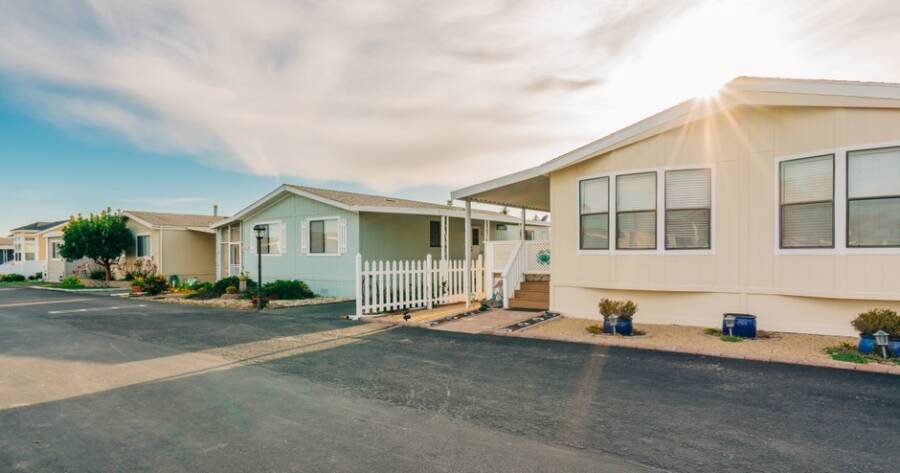
Mobile home takeover payments may offer a cost-effective entry into homeownership by allowing buyers to assume existing mortgages, bypassing traditional buying processes. With diverse financing options like FHA, VA, and conventional loans, and considerations for site preparation and insurance, the takeover approach may provide flexibility and affordability. It’s important to understand how certain elements can shape a strategic path to owning a mobile home.
Understanding Mobile Home Takeover Payments
Mobile home takeover payments, commonly known as assuming a mortgage, allow a buyer to purchase a home by taking over the seller’s existing loan rather than applying for a new one (source). If approved by the lender, the buyer keeps the original interest rate, remaining balance, and repayment term. This option can be especially attractive when the existing loan carries a lower rate than current market conditions.
The buyer must still qualify with the lender by submitting financial and credit documentation. Approval typically includes signing a release of liability that removes the seller’s responsibility. While appraisal requirements may be reduced, buyers must pay closing costs, assumption fees, and cover any equity the seller has built (source).
What Do Mobile Homes Typically Cost?
Mobile homes generally cost significantly less than traditional single-family houses, making them an appealing option for budget-conscious buyers. On average, single-section manufactured homes cost around $82,900, while multi-section models average approximately $144,800 (source). Pricing varies based on size, location, customization, and whether land is included. Even when adding site preparation and installation expenses, manufactured housing often remains one of the most affordable paths to homeownership.
Other Financing Options for Mobile Homes
Financing a mobile home can be achieved through various loan types, including conventional loans, FHA loans, VA loans, USDA loans, chattel loans, and personal loans (source). Each option has specific requirements, such as credit scores, down payments, and whether the land is owned or leased. For instance, FHA loans have no minimum credit score requirements but come with specific loan limits and conditions. VA loans, on the other hand, are available for eligible service members and require the home to be on a permanent foundation.
Conventional loans, such as those offered by Fannie Mae and Freddie Mac, provide fixed-loan terms and adjustable-rate mortgages for mobile homes (source). These programs, like MH Advantage and HomeReady, require a minimum credit score and down payment, making them a viable option for many buyers.
Choosing the Right Loan for Your Needs
When selecting a loan for a mobile home, it’s essential to consider the type of home and its features, such as the date of construction and location, as these factors influence the available loan options. Mobile home loans include traditional mortgages, construction mortgages, personal loans, chattel loans, and seller financing. Each type has specific use cases, such as chattel loans for movable properties and construction mortgages for building homes (source).
To qualify for a mobile home loan, borrowers typically need a credit score between 500 to 680, a down payment of up to 35%, and a debt-to-income ratio of 50% or lower. Some loans may allow using land as collateral instead of a down payment, providing flexibility for buyers (source).
Site Preparation and Insurance Considerations
Preparing a site for a mobile home involves obtaining permits, leveling land, and setting up utilities. Mobile home insurance is necessary due to its unique construction, covering dwelling, personal property, and liability. This insurance is crucial for protecting the investment and ensuring peace of mind for homeowners (source).
Why You Should Learn More About Mobile Home Takeover Payments Today
Mobile home takeover payments present a cost-effective and flexible option for homeownership, especially for those looking to avoid the traditional home-buying process. With various financing options available, including conventional and government-backed loans, buyers can find a solution that fits their financial situation.
Understanding the nuances of mobile home financing, site preparation, and insurance can empower buyers to make informed decisions and secure a home that meets their needs. As the housing market continues to evolve, exploring mobile home takeover payments could be a strategic move for those seeking affordable and customizable living solutions.