

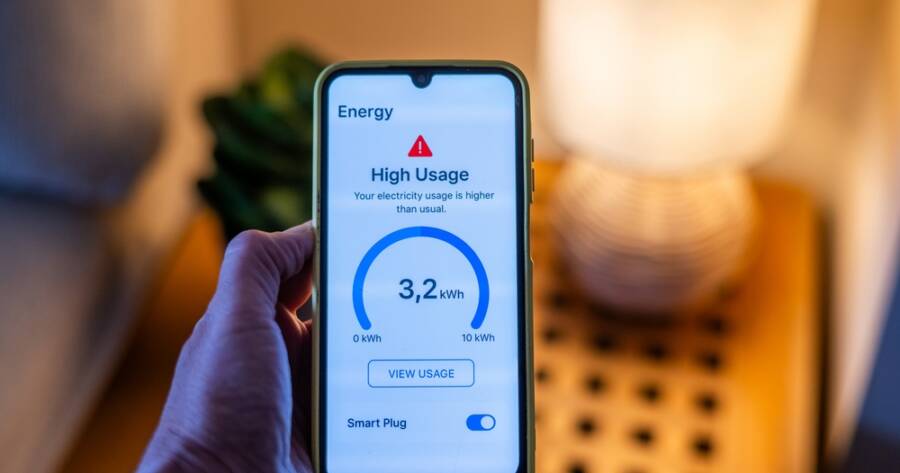
In an era where energy efficiency is paramount, understanding how to manage energy use in everyday devices is essential. With the advent of smart home technologies, consumers can now optimize energy consumption through innovative systems and devices. Understand how leveraging smart technology and energy management systems can lead to significant cost savings and environmental benefits.
Understanding Energy Management in Everyday Devices
Managing energy use in everyday devices is crucial for reducing electricity costs and minimizing environmental impact. With the increasing availability of smart home technologies, consumers have more tools than ever to optimize their energy consumption.
Smart Home Energy Management Systems (SHEMS), for instance, are designed to help users manage and reduce energy consumption through certified smart thermostats, lighting, and other devices. These systems can automatically control devices based on room occupancy and suggest energy-saving actions based on usage patterns (source).
Leveraging Smart Technology for Energy Efficiency
Smart technology plays a pivotal role in energy management. Devices like home energy monitors provide real-time insights into electricity usage, helping users make informed decisions to lower utility bills. These monitors can connect to a home’s electrical panel or individual outlets, offering detailed insights into consumption patterns. Advanced models may even provide personalized tips to optimize energy use and prevent waste (source).
Moreover, platforms like Home Assistant allow users to monitor and optimize energy use across various utilities, including electricity, gas, and water. This open platform supports integration with multiple energy sources, such as solar panels and home batteries, enabling comprehensive energy management and optimization (source).
Practical Steps to Reduce Energy Consumption
Reducing energy use in everyday devices involves several practical steps. Purchasing energy-efficient appliances and electronics is a fundamental approach. Additionally, using advanced power strips can minimize “vampire loads,” which are the electricity consumed by devices when not in use. Energy-efficient lighting and the incorporation of daylighting through energy-efficient windows and skylights can also significantly reduce electricity consumption (source).
For electric space heating and cooling, using energy-efficient systems and incorporating passive solar design concepts can reduce energy use. Proper insulation and air sealing, along with selecting non-electric heating systems, further enhance efficiency. Electric water heating can be optimized by using Energy Star heat pump water heaters and ensuring they are operated efficiently (source).
Benefits of Smart Energy Management Systems
Smart energy management systems offer numerous benefits, including cost savings and environmental impact reduction. For example, Sense provides real-time energy intelligence through next-generation smart meters and the Sense Monitor, which offer high-resolution insights to improve energy management in homes. Users of Sense report an average annual energy savings of 4-8%, demonstrating the effectiveness of their energy management solutions (source).
Additionally, smart meters and home automation systems can automate tasks like adjusting thermostats or dimming lights based on real-time energy data, enhancing efficiency and energy management. This integration allows for seamless control and optimization of energy use, ultimately leading to lower electricity bills and a reduced carbon footprint (source).
Why You Should Learn More About Managing Energy Today
Understanding and managing energy use in everyday devices is more important than ever. With the rise of smart home technologies and energy management systems, consumers have the tools to significantly reduce their energy consumption and costs.
By leveraging these technologies, individuals can not only save money but also contribute to a more sustainable future. Exploring the various options available for energy management can lead to smarter energy decisions and a more efficient home environment.