

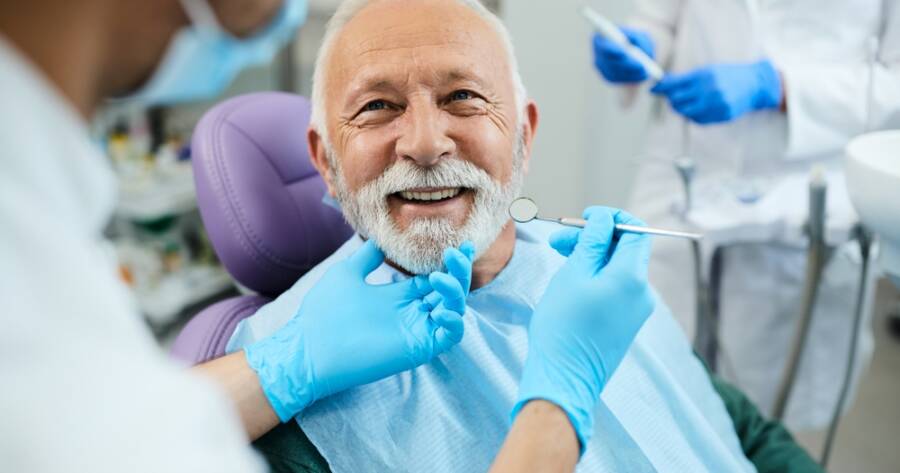
As seniors navigate the complexities of aging, their dental health emerges as a critical concern, influenced by unique challenges and socioeconomic factors. From the necessity of specialized dental care and insurance to the impact of community programs, understanding the key elements is essential for maintaining oral health. Understand how certain factors shape dental care for seniors and the solutions available.
Understanding the Unique Dental Needs of Seniors
Seniors face distinct dental challenges that require specialized attention. As individuals age, they are more susceptible to tooth decay due to receding gum tissue and faster plaque build-up. Additionally, mobility or vision challenges can make maintaining daily dental hygiene more difficult. These factors underscore the importance of regular dental visits and proper oral care for seniors (source).
Common dental issues among seniors include gum disease and dry mouth, affecting 68% and 30% of Americans aged 65 and older, respectively. Seniors are also at a higher risk for oral cancer, making regular dental check-ups essential (source).
The Role of Dental Insurance for Seniors
Dental insurance plays a crucial role in maintaining oral health for seniors. It provides access to routine dental care and procedures, which is vital since Original Medicare and Medigap do not cover routine dental care. Only some Medicare Advantage policies include dental coverage (source).
Dental insurance can help seniors manage costs associated with dental care, covering services from routine cleanings to major procedures. This financial support is essential for seniors to be prepared for unforeseen dental expenses (source).
Access to Dental Care and Socioeconomic Factors
Access to dental care among seniors is significantly influenced by socioeconomic factors. In 2022, 63.7% of U.S. adults aged 65 and older had a dental visit in the past 12 months (source). However, dental visits among older adults increased with higher family income and education levels.
For instance, 80.5% of seniors with incomes higher than 400% of the federal poverty level had dental visits, compared to only 35.3% of those with incomes below 100% of the poverty level. This suggests that socioeconomic factors significantly influence dental care access among seniors.
Challenges in Dental Care for Seniors
Older adults often have complex health profiles due to comorbid conditions like hypertension and diabetes, and they frequently use multiple medications, increasing the risk of drug interactions and adverse reactions. Dental practitioners must regularly review the medical and medication histories of senior patients to provide safe and effective care (source).
Age-related physiological changes, such as decreased organ function and sensory impairments, can affect medication absorption and increase sensitivity to dental drugs. These changes require careful consideration in dental treatment planning for older adults (source).
Community-Based Programs and Resources
Community-based programs and partnerships play a vital role in providing affordable dental care to seniors. These include collaborations with dental schools, community health clinics, and faith-based organizations to offer low-cost or free dental services (source).
Programs like the Wisdom Tooth Project and various state and local resources help connect seniors with affordable dental care options. Medicare and Medicaid offer limited dental benefits, and veterans may access dental care through the VA (source).
Why You Should Learn More About Dentists for Seniors Today
Understanding the unique dental needs of seniors is crucial for ensuring their overall health and well-being. With the growing demographic of older adults in the U.S., tailored dental care approaches are necessary to address the unique health challenges faced by seniors.
Dental insurance and community-based programs play a significant role in providing access to necessary dental care, helping seniors maintain their oral health and manage costs. By learning more about the options available, seniors and their caregivers can make informed decisions to support their dental health effectively.